Airport robots: cleaning and guidance use cases
Airport robots mainly clean floors and guide passengers. See what each job involves, where it works best and what to check before a pilot in the UAE.
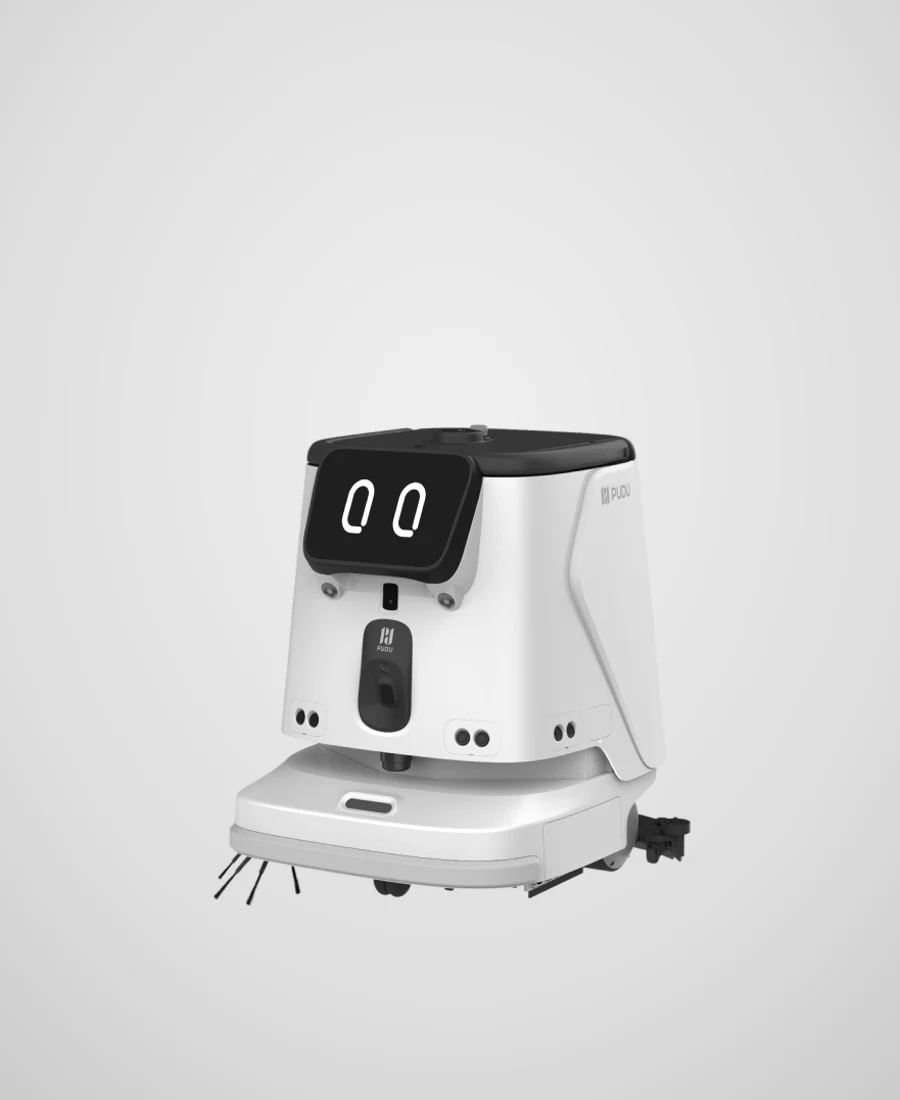
Airport robots today do two jobs well: autonomous floor cleaning in terminals, and guidance or information for passengers. Cleaning robots are the more mature of the two, because the task is repetitive and the routes can be mapped. Guidance robots help most as a visible, multilingual point of information, working alongside staff and signage rather than replacing them.
What do airport robots actually do?
Most airport robot projects fall into a few groups. Published trials and deployments show the same pattern: cleaning, passenger guidance, and, in some cases, patrol.
The Royal Aeronautical Society described several early trials in a 2017 article. At Incheon Airport in South Korea, LG Electronics tested large autonomous vacuum robots that use LIDAR and SLAM mapping to avoid obstacles on tile and carpet. The same airport tested guide robots that answer questions in four languages, show flight and airport maps, and can escort a lost or late passenger.
These are early examples, and the technology has moved on. They are still useful because they show which jobs airports chose first: the repetitive ones with a clear route and a clear outcome.
| Job | What the robot does | Maturity |
|---|---|---|
| Floor cleaning | Scrubs, sweeps or vacuums mapped routes, often off-peak | Established |
| Passenger guidance | Answers questions, shows maps, leads to a location | Useful, with limits |
| Light delivery | Moves items inside a building | Site dependent |
| Patrol | Observes and reports | Needs clear rules |
Why is cleaning the strongest airport robot use case?
An airport terminal is a very large, hard floor that never fully closes. Cleaning teams have to cover concourses, gate areas, corridors and back-of-house routes, often at night and in short windows.
Autonomous cleaners suit this because the work is predictable. The robot follows a mapped route, docks to recharge and repeats the task. Staff are then free for spot cleaning, spills, restrooms and the jobs that need judgement. For the wider case, see our article on the real ROI of autonomous cleaning.
Which cleaning robots match which airport zone?
The right machine depends on floor size, traffic and the type of surface. The Pudu cleaning range below comes from our product pages. We can confirm the fit for your own terminal during a site walk.
| Zone | Robot to consider | Why |
|---|---|---|
| Main concourse, high-traffic areas | Pudu CC1 Pro | Upgraded 4-in-1 cleaning for high-traffic venues |
| General halls and corridors | Pudu CC1 | Intelligent 4-in-1 commercial cleaning robot |
| Tight spaces, lounges, offices | Pudu SH1 | Compact floor scrubber for tight commercial spaces |
| Fine dust and debris | Pudu MT1 Vac | AI vacuum sweeper for fine dust and debris |
| Very large floors, landside areas | Pudu BG1 Pro | Ride-on grade scrubber-sweeper for very large floors |
The same logic is used in other large venues. Our guide to cleaning robots for UAE malls covers atriums and corridors, which are close to terminal concourses in layout.
What can guidance robots do for passengers?
A guidance robot is a mobile information point. It can greet people, answer common questions, show a route on its screen and, in some designs, lead the way.
The Aerosociety article describes trials of this kind. At Schiphol, a robot named Spencer was tested with KLM to guide people to gates and avoid obstacles, although that trial did not involve real passengers. At Haneda Airport in Tokyo, Hitachi's EMIEW3 was trialled as a guide in Japanese and English. Treat these as trials, not proof of results at scale.
Our own catalogue has front-of-house robots for reception and guiding:
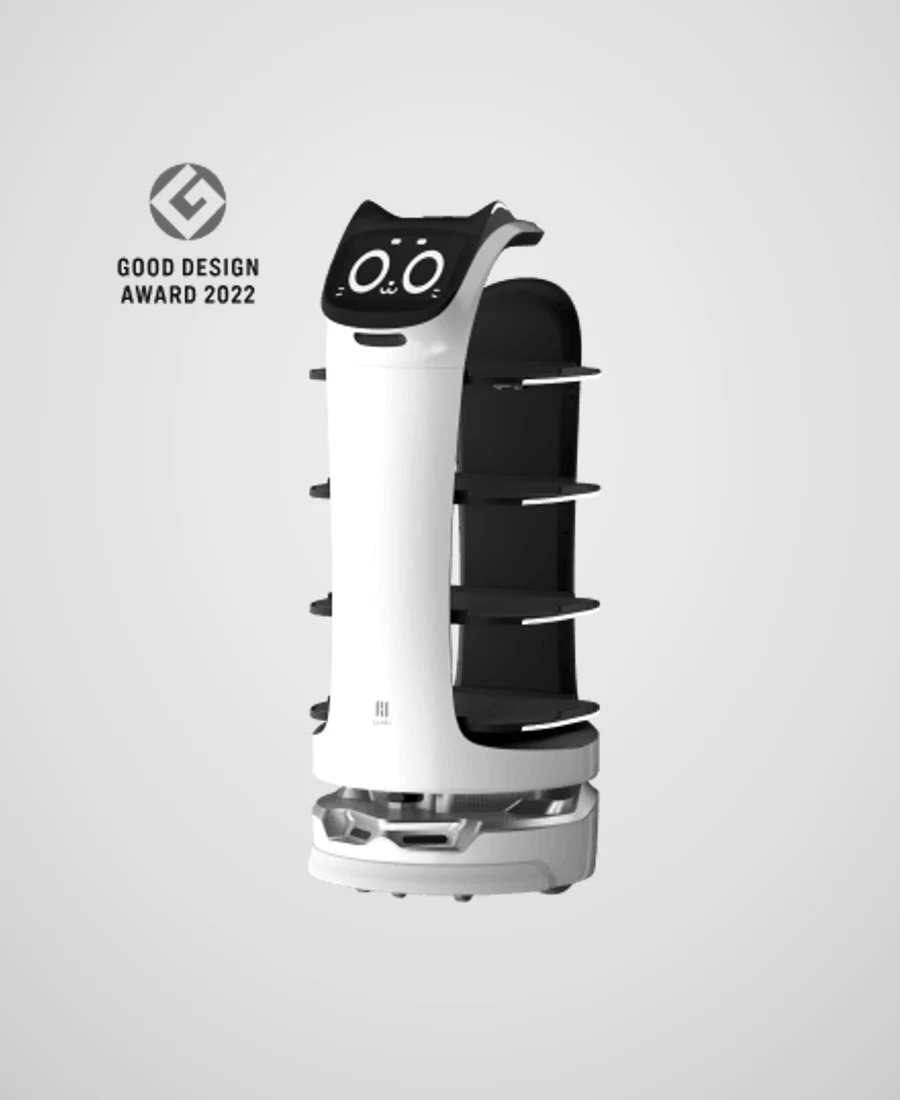
- Pudu KettyBot: reception, guiding and delivery for front of house.
- Pudu KettyBot Pro: reception and delivery with a large advertising display.
- Pudu SwiftBot: a multi-purpose service robot with an interactive display.
These suit lounges, hotel-style arrival areas, airline or airport offices and hospitality zones. For the front-of-house role in general, read humanoids move to the front desk.
Where do guidance robots fall short?
A terminal is noisy and crowded. Speech recognition, narrow queue lines and people who ignore the robot all limit what it can do. A guidance robot should support wayfinding signs and staff, not replace them.
Security and border processes also stay with authorised staff. Do not plan a robot around tasks the airport authority regulates.
What should an airport check before a pilot?
Airports are controlled sites, so a pilot needs more approvals than a shop or restaurant. Start small, with one zone and one task.
- Agree the site owner, operator and cleaning contractor roles.
- Confirm network, charging and docking locations.
- Walk the route at the real hours of use, including peak waves.
- Check floor types, ramps, thresholds and lifts.
- Define a safe stop and a way for staff to take over.
- Check privacy rules for cameras and data on the premises.
- Set simple measures: area covered, hours of staff time released, passenger feedback.
- Agree training, spares and a support route with the distributor.
Our guide on what to ask a distributor about maintenance covers servicing and response times in more detail, and from unboxing to deployment sets out a rollout path.
How does this fit the UAE?
The UAE has clear policy direction on automation. Our summary of the Dubai Robotics and Automation Programme explains what it targets and what it means for a business planning a pilot. Our post on service robots in government and smart city projects covers the public sector side.
Airport operators and their contractors will have their own procurement rules. We do not claim any airport deployment of our products. We can help a contractor or facility manager scope a pilot, run a live demo and plan training and support from the DIFC showroom.
Frequently asked questions
What are airport robots used for?
The two most common jobs are autonomous floor cleaning and passenger guidance. Some airports also trial delivery and patrol robots.
Are cleaning robots better than guidance robots for an airport pilot?
Cleaning is usually the easier first step because the task is repetitive and can be measured in area covered. Guidance robots work best as a supplement to staff and signs.
Can robots clean an airport at night?
Yes, many facilities schedule autonomous cleaning during quieter hours. The route, charging and handover to staff need to be agreed on site first.
Do you supply robots to airports?
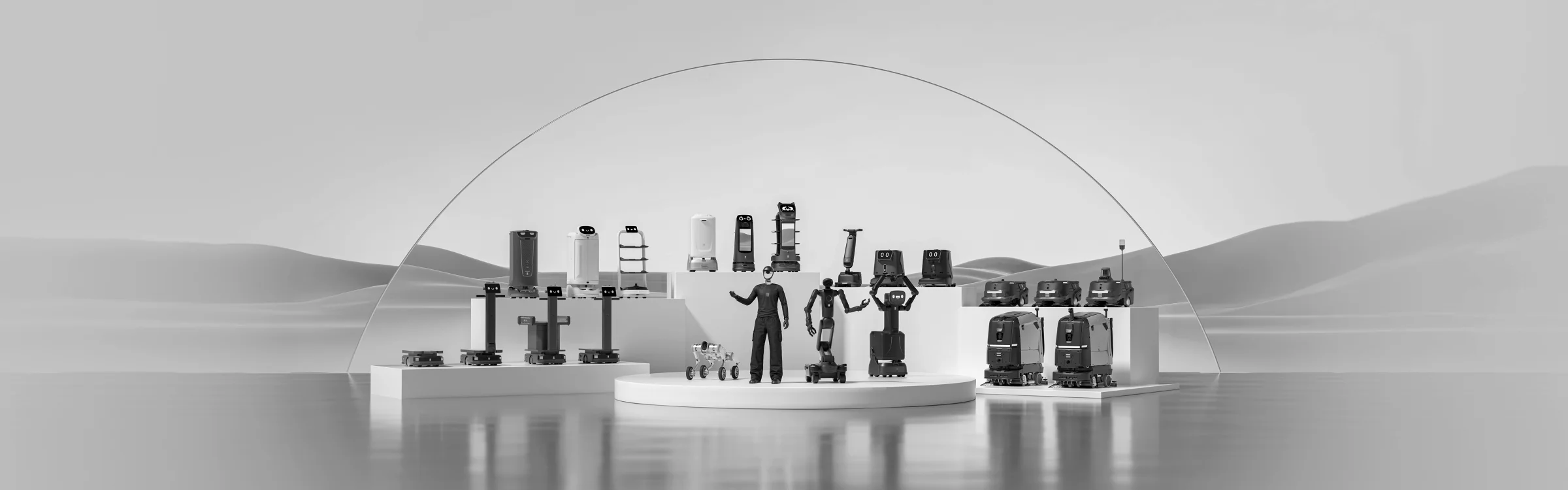
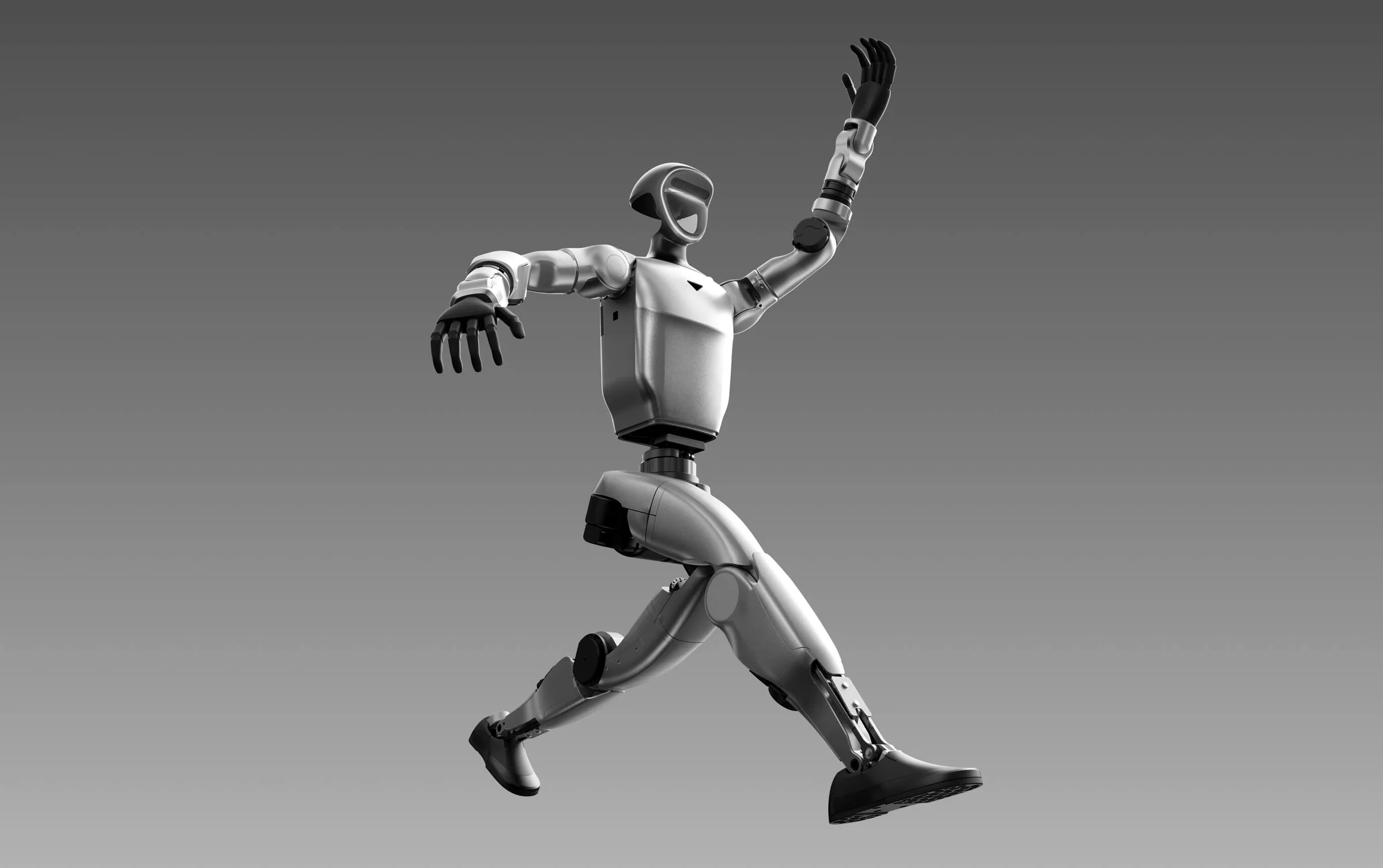
We supply Pudu cleaning and service robots, and Unitree and AgiBot robots, in the UAE. Airport projects are scoped case by case, so contact us for a quotation.
Do airport robots replace cleaning staff?
No. They take over repetitive floor passes so staff can focus on spills, restrooms and tasks that need judgement.
To see a cleaning or reception robot working, book a live demo or contact us for a quotation at our DIFC showroom.
See it in person.
The fastest way to decide is to watch the robot do your actual job. Book a live demo in Dubai, or tell us what you have in mind.
Ready when you are
Build your robot in the shop.
Choose persona, attire, colours and accessories. Preview live in 3D, then request a UAE quotation, all in the configurator.