Service robots in UAE government and smart city projects
How service robots fit UAE government and smart city programmes, where they work today, and what public sector buyers should check before a pilot.
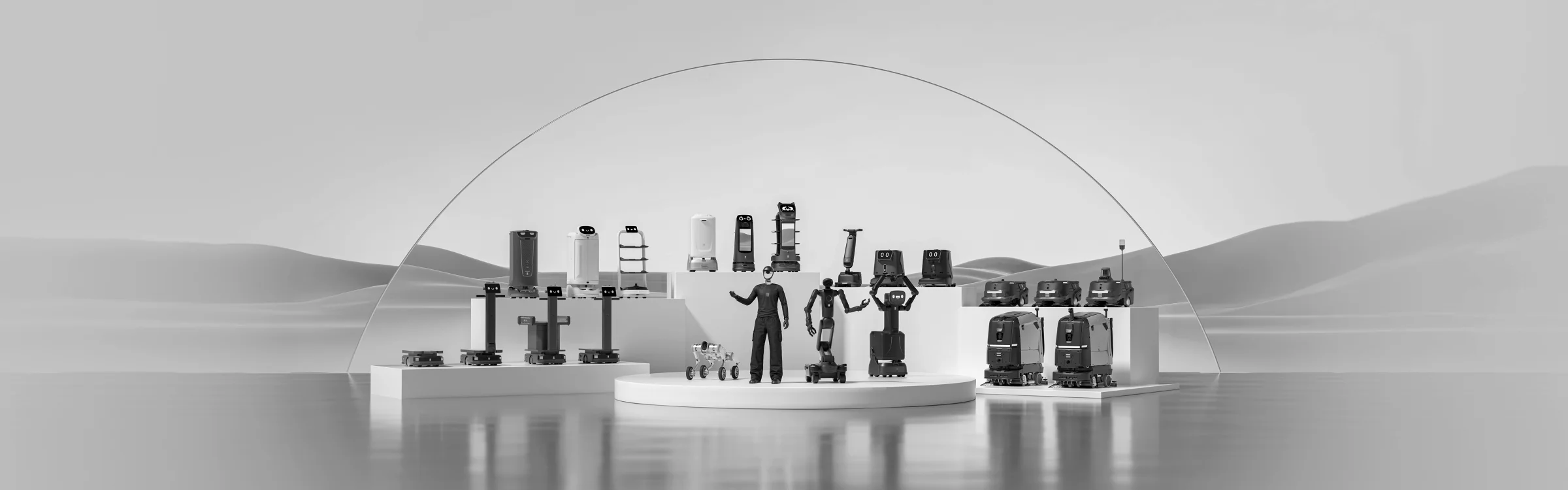
Service robots are already part of UAE government and smart city plans, mainly for inspection, cleaning, delivery and public-facing guidance. Dubai and Abu Dhabi both have programmes that encourage public bodies to adopt robotics. The practical route for a government team is a small, well-defined pilot, measured against a clear service goal, before any wider rollout.
What is driving robots in UAE government projects?
The UAE treats automation as part of how cities are run, not as a side experiment. In September 2022 the Crown Prince of Dubai launched the Dubai Robotics and Automation Program, led by the Dubai Future Foundation. The National reported that it aims to raise the sector's contribution to GDP to 9 percent within ten years, with a target of 200,000 robots across services, logistics and industry.
The programme rests on three pillars: governance, support for research and development, and adoption of the technology. A Dubai Council for Robotics and Automation, with public sector, private sector and academic members, oversees the initiatives. For a department, this means robotics is an accepted topic in planning conversations, rather than something that has to be justified from scratch.
For background on the wider policy picture, see our article on embodied AI and why the UAE is investing now.
Where are service robots used in smart city work today?
Public reporting shows the clearest activity in inspection. Gulf News describes how Abu Dhabi uses robots, drones and AI to monitor public facilities, including inspection robots with environmental sensors and a robotic dog for inspections. The UAE government portal also lists robotics and AI applications across public services.
The table below groups the common public sector tasks by the type of robot that suits them. It reflects how these robots are generally used, not a list of named government deployments.
| Public sector task | Typical robot type | Examples from our range |
|---|---|---|
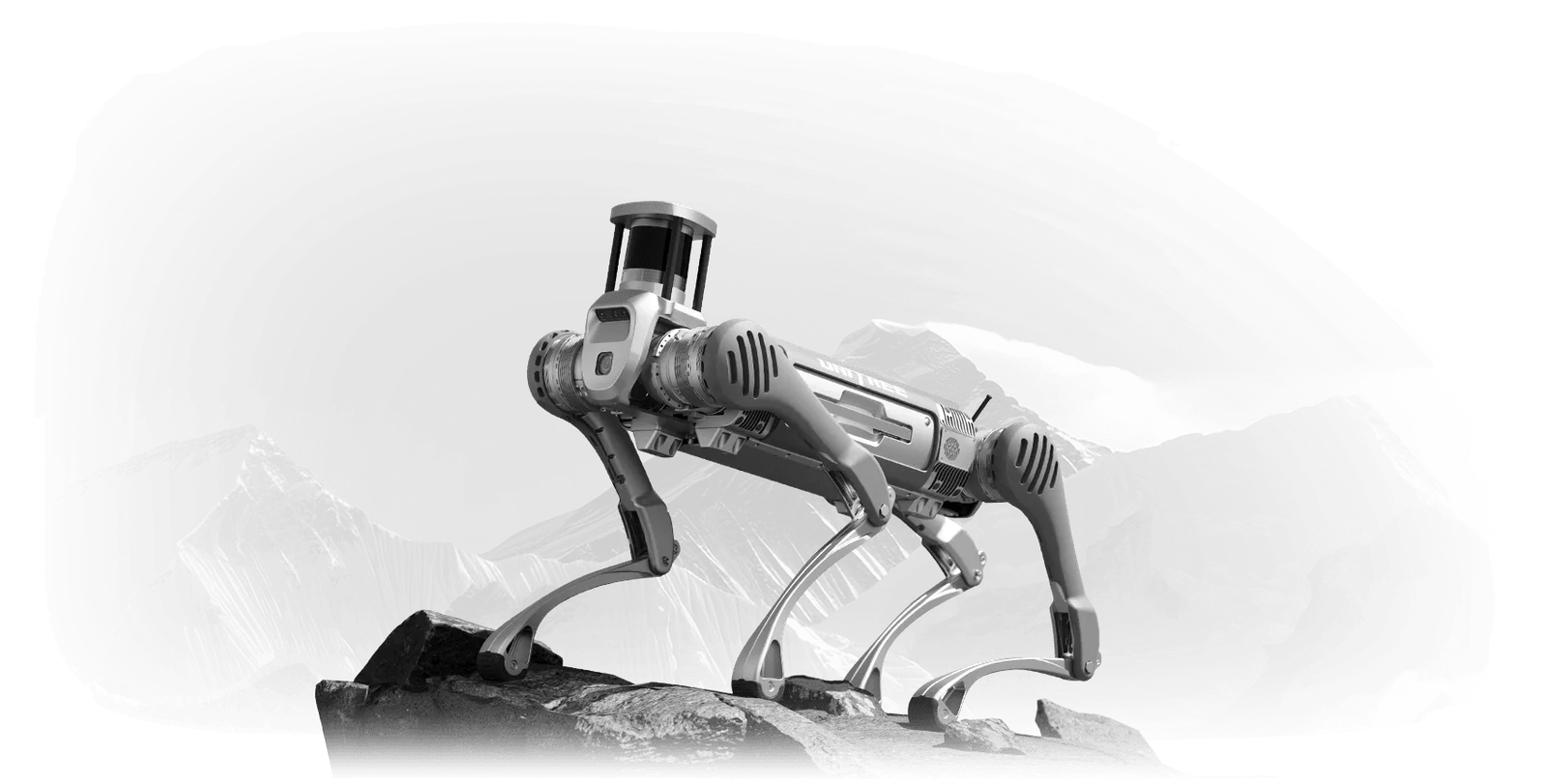
| Patrol and inspection of facilities | Quadruped | Unitree Go2 / B2 |
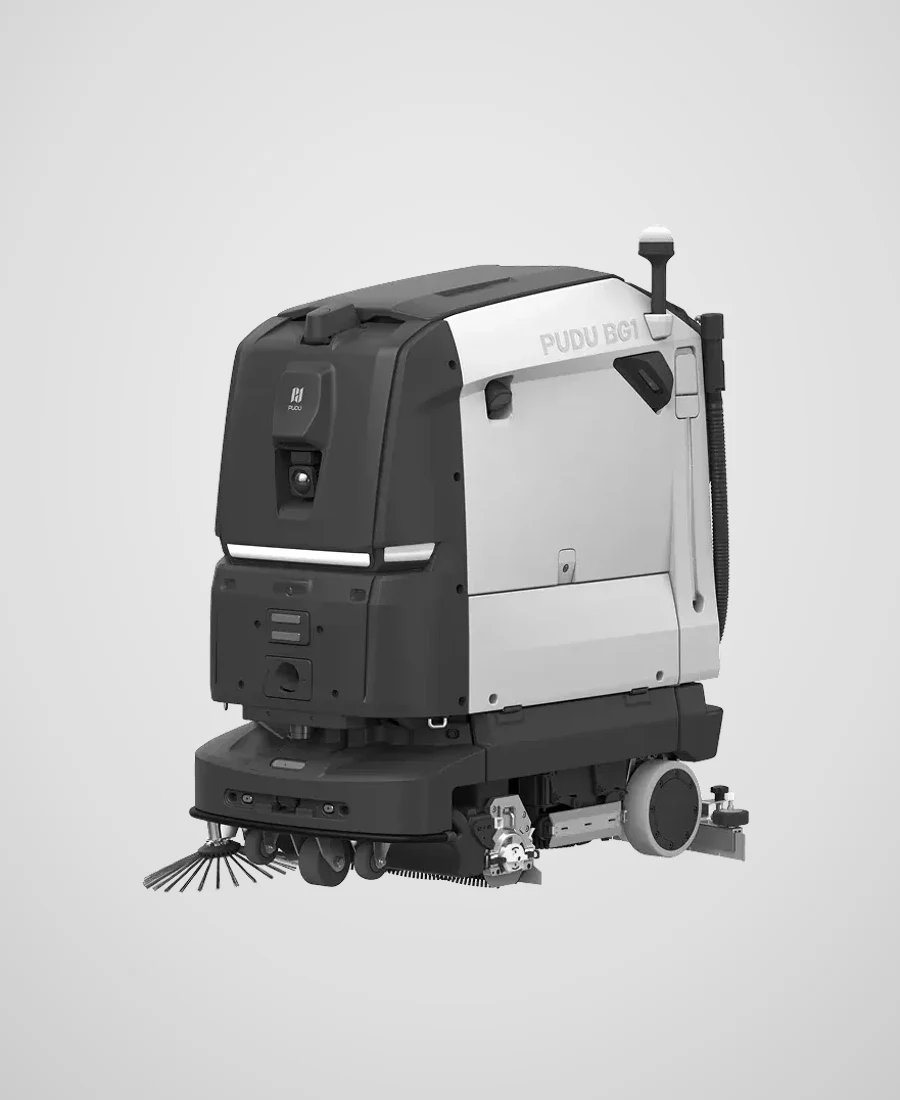
| Floor cleaning in terminals, offices, public buildings | Autonomous cleaning robot | Pudu CC1, Pudu MT1 |
| Reception, guiding and information | Service robot with display | Pudu KettyBot, Pudu SwiftBot |
| Internal delivery of documents and supplies | Delivery robot or AMR | Pudu FlashBot, Pudu T300 |
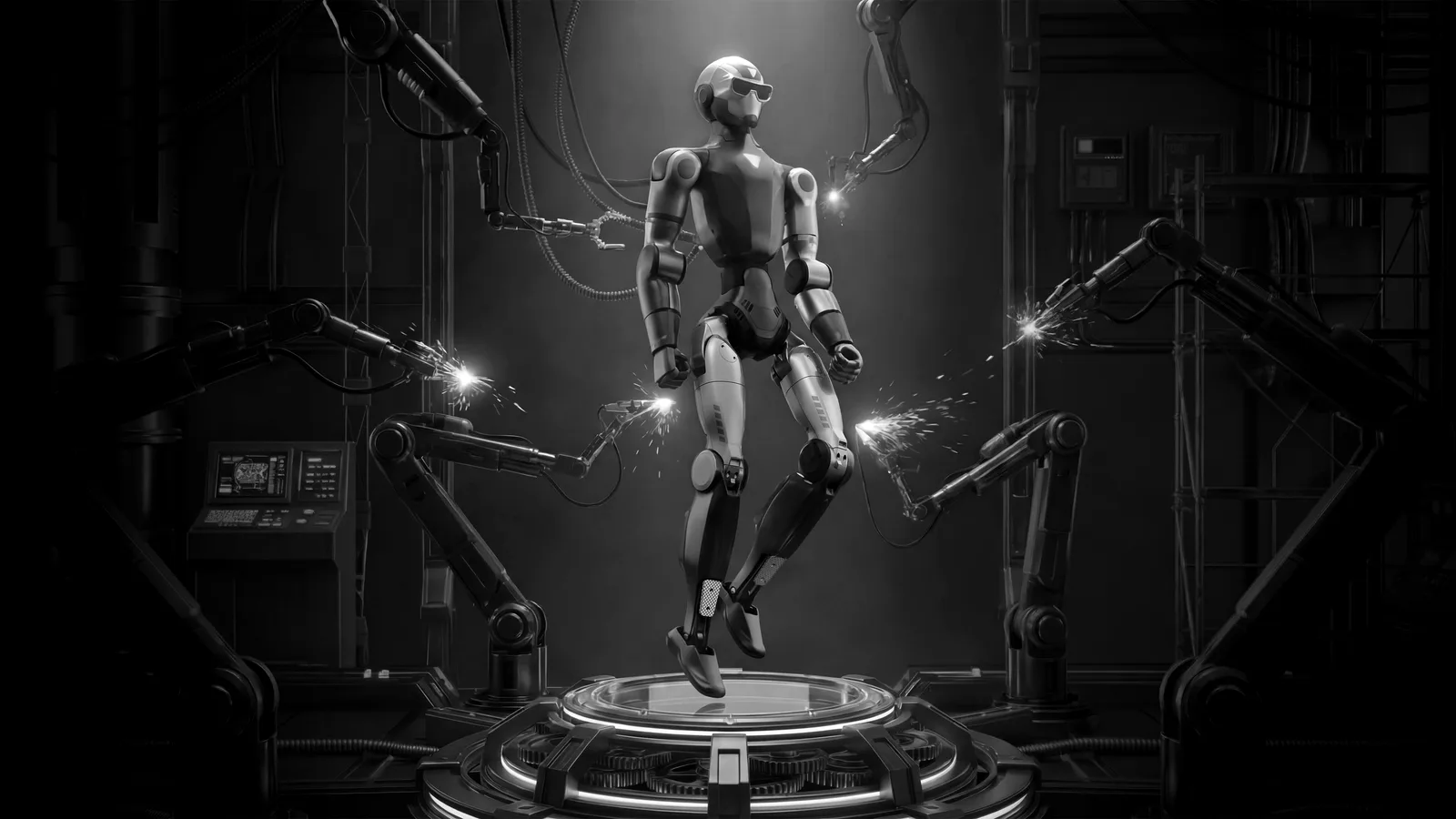
| Research, training and public demonstration | Humanoid | Unitree G1, AgiBot X2 |
Which robots suit public buildings and facilities?
Cleaning
Government buildings, transport hubs and campuses have large floors that must be cleaned every day. Autonomous cleaners handle repeat routes and return to dock on their own. The Pudu CC1 is a commercial cleaner that scrubs, sweeps and vacuums, while the Pudu MT1 is an AI sweeper for large facilities. We explain how to judge the return in the real ROI of an autonomous cleaning fleet.
Reception and guiding
Customer happiness centres, visitor lobbies and exhibition spaces need consistent first contact. The Pudu KettyBot is built for reception, guiding and delivery at front of house, and the KettyBot Pro adds a large advertising display that can carry public information. For humanoid options at the front desk, read humanoids move to the front desk.
Inspection and patrol
For perimeters, plant rooms and outdoor sites, a four-legged platform is usually more practical than a humanoid. The Unitree Go2 / B2 offers 360 degree LiDAR sensing and all-surface mobility. Our comparison of quadruped or humanoid for inspection sets out the trade-offs.
What do public sector buyers need to check first?
Government projects have different constraints from a restaurant or a hotel. Before a pilot, work through this checklist:
- A single, measurable service goal, such as cleaning hours recovered or visitor queries answered.
- A site survey covering floor surfaces, lifts, doors, Wi-Fi coverage and charging points.
- Data handling: what the robot's cameras and sensors record, where data goes, and who may access it.
- Approvals from the building owner, facility manager and any security or IT team involved.
- A named owner for daily operation, plus a training plan for staff.
- Local support: who services the robot in the UAE, and how quickly.
The last point matters more than it first appears. Our guide to what an official Pudu distributor in the UAE provides explains how to verify support claims before you order.
How should a government team run a pilot?
Start small. Choose one site, one task and one robot type. Agree what success looks like before the robot arrives, and record the baseline so the results mean something.
A sensible sequence is a live demonstration, a site survey, a mapped trial in a limited zone, and a review after a few weeks of real use. Our robot rollout playbook covers the steps from delivery to daily operation. Expand only once staff and visitors have shown they are comfortable with the robot.
Avoid treating the pilot as a showcase. Robots that clean at night or deliver internally often deliver more value than those placed in a lobby for photographs.
What do most articles on this topic miss?
Most coverage focuses on headline targets and launch events. It says less about the practical work: mapping a building, agreeing responsibilities, training staff and keeping robots running after the first month.
It also tends to blur the difference between a pilot and a service. A robot that works in a demonstration still needs a routine, a person who owns it and a support partner. Those details decide whether a project survives its first year.
Frequently asked questions
Are service robots used in UAE government projects?
Yes. Public reporting shows Abu Dhabi using inspection robots and Dubai running a national robotics and automation programme. Specific deployments vary by entity, so check the latest announcements from the relevant authority.
What is the Dubai Robotics and Automation Program?
It is a programme launched in 2022 and led by the Dubai Future Foundation. It targets 200,000 robots over ten years and a 9 percent GDP contribution from the sector, according to The National.
Which service robot is best for a government building?
It depends on the task. Cleaning robots suit large floors, reception robots suit visitor areas, and quadrupeds suit patrol and inspection. A site survey and live demonstration will confirm the right fit.
Can robots handle sensitive areas safely?
Only if the project plans for it. Define where the robot may travel, what it records and who can access that data before the pilot starts.
How long does a pilot take?
It varies with the site and the task. We recommend agreeing a trial period and success measures at the start rather than fixing a duration in advance.
If you are planning a government or smart city pilot, book a live demo at our DIFC showroom or contact us for a quotation.
See it in person.
The fastest way to decide is to watch the robot do your actual job. Book a live demo in Dubai, or tell us what you have in mind.
Ready when you are
Build your robot in the shop.
Choose persona, attire, colours and accessories. Preview live in 3D, then request a UAE quotation, all in the configurator.