Security patrol robots in Dubai: what is realistic today
What security patrol robots can and cannot do in Dubai today, from police programmes to site inspection quadrupeds, and how to run a sensible pilot.
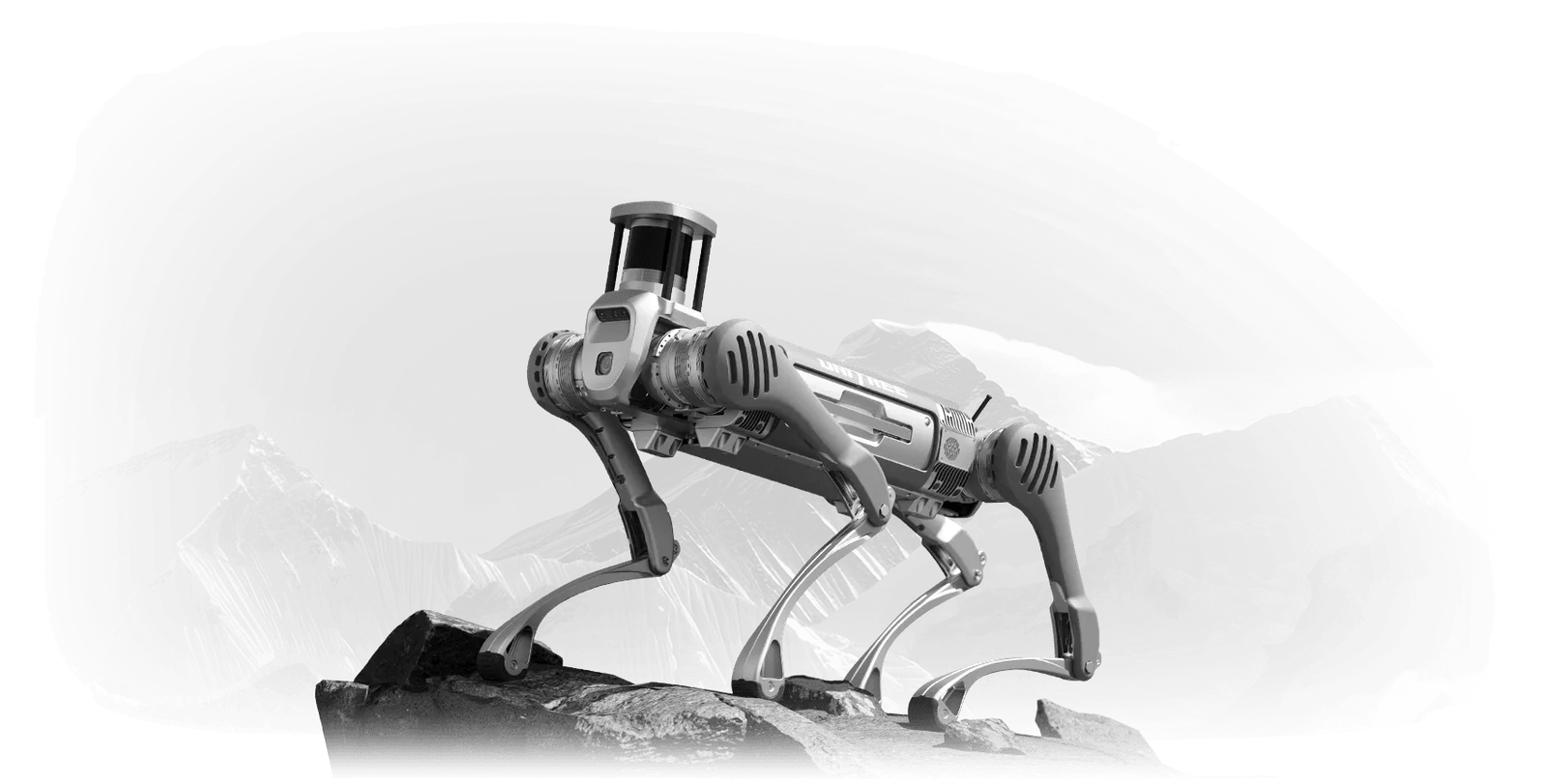
Security robots in Dubai today are best understood as extra eyes and sensors that patrol set routes and report to people, not as replacements for guards. Public programmes such as Dubai Police's autonomous patrol vehicles show the direction, while for a private site the realistic first step is a legged or wheeled robot that repeats rounds, captures video and flags anomalies to your control room.
What security robots are already patrolling in Dubai?
The most visible examples belong to Dubai Police. Press reports describe the DPR 02, an electric, self-driving patrol robot developed with the Dubai company Micropolis, first shown at GITEX Global 2025 and deployed for a first mission at Global Village (Gulf News). Micropolis describes its M-Patrol range on its own site (Micropolis).
Reports of the upgraded DPR2 at the World Police Summit 2026 say it uses AI to spot wanted individuals and vehicles, and alerts the police operations room when it detects suspected criminal activity (Dubai Standard). Earlier coverage also mentions a plan for a quarter of the security force to be robotic by 2030 (Interesting Engineering).
Two points matter for a private buyer. These are public-sector programmes built with specific partners, and they operate under police authority. A hotel, mall or logistics yard cannot copy them, and should not expect the same legal footing or the same functions, such as identifying wanted persons.
What can a patrol robot realistically do on a private site?
On private property the useful jobs are narrower and more practical:
- Walk a fixed route at set times and record video along it.
- Check that doors, gates, plant rooms and loading areas are in their expected state.
- Reach places that are tiring or unpleasant for people, such as car park levels, service corridors and outdoor perimeters.
- Send an alert and a live view to your control room when something differs from the baseline.
- Provide a visible, consistent presence at quiet hours.
The value is consistency. A robot repeats the same route the same way every time, which makes changes easier to see. It does not use judgement, negotiate with a visitor or respond physically to an incident. Those remain with your security team.
Which robot type fits: quadruped, wheeled or humanoid?
For patrol and inspection, four legs are usually the practical answer. We cover the reasoning in quadruped or humanoid for inspection: a quadruped is stable on stairs, slopes and uneven ground, and suits "move, sense and report" work. Humanoids make more sense where a task needs hands or face-to-face interaction.
The Unitree Go2 and B2 are all-terrain four-legged platforms listed for inspection and patrol, with a top speed of up to 5 m/s and 360° LiDAR. The Unitree brand page lists the wider range.
| Robot type | Suits | Limits |
|---|---|---|
| Quadruped (Unitree Go2 / B2) | Mixed terrain, stairs, outdoor and indoor rounds, repeatable routes | Payload and battery life depend on the model and the sensors you add |
| Wheeled outdoor patrol vehicle | Open roads, large paved areas, public spaces | Needs flat, mapped surfaces and, in public areas, official approval |
| Humanoid | Reception, demonstration, research, tasks in human-built spaces | Not the first choice for routine patrol |
Go2 or B2 for a patrol job?
Our Go2 vs B2 comparison goes into detail. In short, the Go2 is the lighter machine, at about 15 kg, and fits shorter, indoor or lower-payload work. The B2 is heavier, at about 60 kg, with higher payload, 4 to 6 hours of battery life and IP67 protection, which suits longer shifts and outdoor routes with dust and water. In the UAE climate, heat, dust and exposure should weigh more in your decision than top speed.
What do security robots not do well yet?
Being honest about limits is what makes a pilot succeed. Plan for these:
- Judgement. A robot can detect that something is different. It cannot decide whether a person is a guest, a contractor or a risk.
- Intervention. A patrol robot observes and reports. It does not stop, detain or physically respond.
- Endurance. Battery life limits shift length, and payload reduces it. You need charging logistics, not just a robot.
- Connectivity. Live video and alerts depend on reliable Wi-Fi or mobile coverage along the whole route, including stairwells and basements.
- Weather and surfaces. Outdoor heat, sand, wet floors and polished stone all affect traction and sensors.
- People. Guests may be curious, may block the robot, or may feel watched. This needs a plan.
What should you check before a security robot pilot?
Use this checklist before you commit:
- Define the job in one sentence, for example "walk the basement car park every hour and send video of each level".
- Walk the route yourself and note stairs, doors, lifts, ramps and any crossing with public areas.
- Decide who receives alerts and what they do when one arrives.
- Confirm network coverage along the route.
- Check privacy and data rules with your legal and compliance teams, including where video is stored and who can see it. For public places and anything involving identification of people, check with the relevant UAE authorities. We have not covered those rules here and do not give legal advice.
- Agree success measures, such as routes completed, anomalies caught and staff hours freed for other tasks.
- Plan charging, cleaning and maintenance, and who is responsible for each.
Our rollout playbook describes the steps from delivery to daily use, and applies to patrol robots as much as any other robot.
Where does this fit in UAE smart city plans?
Public-sector interest in autonomous patrol is part of a wider push towards robotics and AI in city services. Our overview of service robots in UAE government and smart city projects explains how pilots tend to be structured. For private operators the lesson is to start small, with a defined route and measurable results, and then extend.
Frequently asked questions
Are there security robots in Dubai?
Yes. Dubai Police has shown and deployed autonomous patrol robots, including the DPR 02 developed with Micropolis, according to press reports. For private sites, legged robots such as the Unitree Go2 and B2 can be used for patrol and inspection rounds.
Can a robot replace a security guard?
No, and it should not be planned that way. A robot repeats routes and reports what it sees, while a guard makes decisions and responds. The best results come from using robots to extend your team's coverage.
Which robot is best for a security patrol in the UAE?
For mixed terrain and repeatable rounds, a quadruped is usually the best fit. The Go2 suits lighter, shorter work, and the B2 suits longer shifts and tougher outdoor conditions.
Can I buy a security patrol robot in Dubai?
Yes. YS Lootah Robotics supplies Unitree quadrupeds from its DIFC showroom, with demos, deployment, training and support. Contact us for a quotation.
Do I need approval to run a patrol robot?
On private property you still need to follow data protection, privacy and site rules. For public areas, check with the relevant authorities before you start.
To see how a quadruped moves on stairs and uneven floors, book a live demo at our DIFC showroom, or contact us for a quotation.
See it in person.
The fastest way to decide is to watch the robot do your actual job. Book a live demo in Dubai, or tell us what you have in mind.
Ready when you are
Build your robot in the shop.
Choose persona, attire, colours and accessories. Preview live in 3D, then request a UAE quotation, all in the configurator.