Unitree Go2 vs B2: which quadruped for site inspection in the UAE
Unitree Go2 or B2 for UAE site inspection? A practical comparison of weight, payload, endurance and ruggedness, and how to match each to the job.
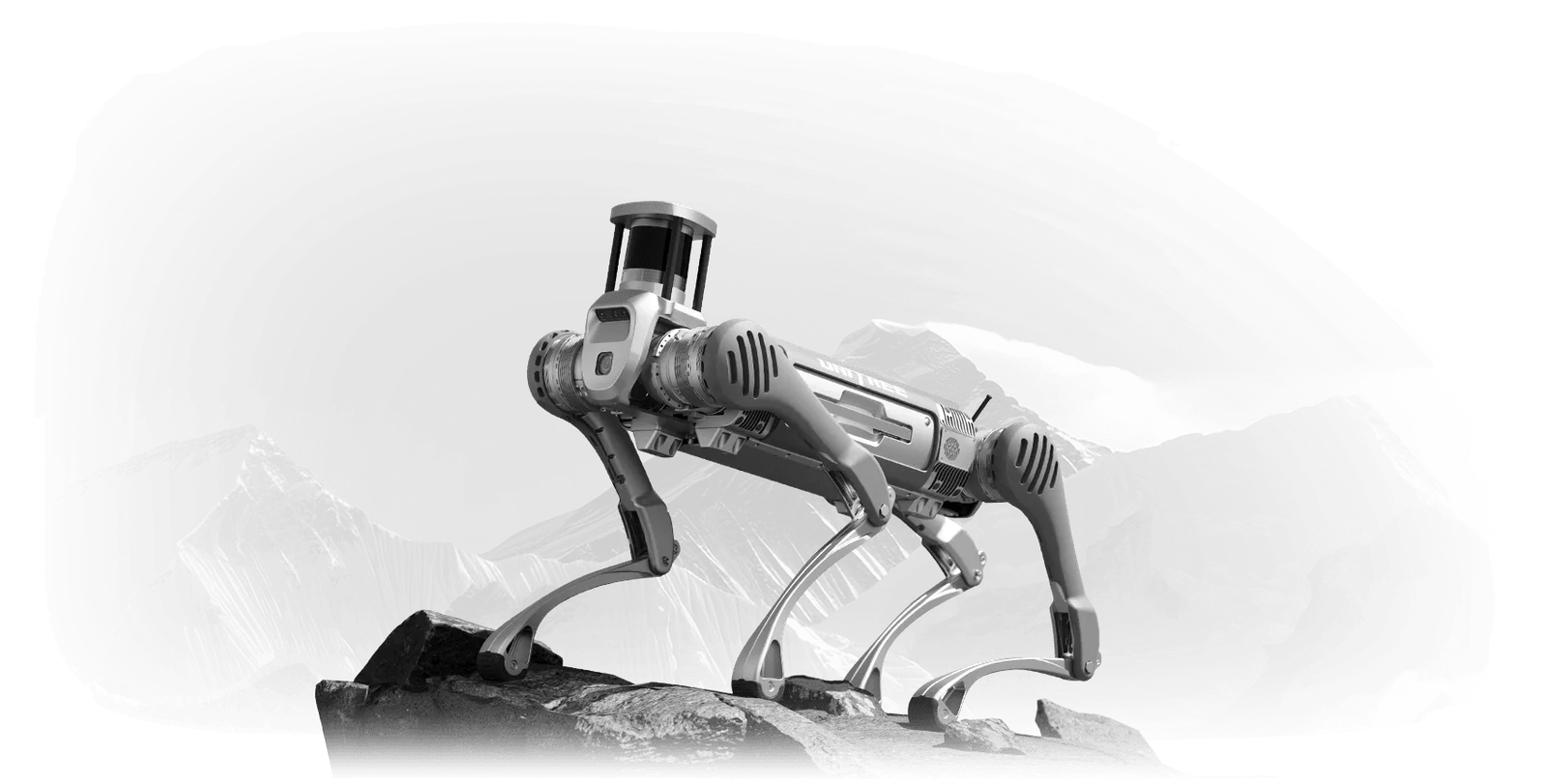
Choose the Unitree Go2 for light indoor inspection, trials and training, and the B2 when the job needs heavy payloads, long shifts or outdoor ruggedness. The Go2 weighs about 15 kg, while the B2 weighs about 60 kg and is rated IP67. For most UAE sites the deciding factors are payload, endurance and exposure to heat, dust and water, not top speed.
Both robots are available through YS Lootah Robotics, and both can be seen at our DIFC showroom.
What is the difference between the Unitree Go2 and B2?
The two robots share a layout and a manufacturer, Unitree, but they are built for different duty cycles. The Go2 is compact and light. The B2 is an industrial platform designed to carry equipment for hours.
The figures below come from Unitree's own product pages for the Go2 and the B2. Specifications vary by version, so confirm the exact configuration with us before you order.
| Unitree Go2 | Unitree B2 | |
|---|---|---|
| Weight (with battery) | About 15 kg | About 60 kg |
| Payload | Nominal about 7 to 8 kg, depending on version | Over 40 kg while walking |
| Top speed | About 5 m/s on X and EDU versions (lab tested) | Above 6 m/s, with a safety limit in practice |
| Battery life | About 1 to 2 hours standard, 2 to 4 hours with the long-endurance battery (EDU) | 4 to 6 hours |
| Protection | See Unitree for the rating of your version | IP67 |
| Operating temperature | See Unitree for your version | -20 to 55 °C |
| Sensing | 4D LiDAR L2 (360° × 96°), HD camera; depth camera on EDU | 3D LiDAR, depth cameras and optical cameras (counts vary) |
On our own Go2 / B2 page, the platform family is described as all-terrain, with 360° LiDAR and a top speed of up to 5 m/s, aimed at inspection and patrol.
Which one suits site inspection in the UAE?
Start with the route, not the robot. Where will it walk, how long, and what does it carry?
When the Go2 is enough
The Go2 fits shorter, lighter rounds. Typical examples are:
- indoor walkthroughs of plant rooms, car parks and corridors
- scheduled checks of a defined route with a camera
- training your team and building a first inspection workflow
- demonstrations for stakeholders and procurement committees
Its low weight makes it easy to move between buildings, and its smaller battery is fine when a round takes well under an hour or two.
When the B2 is the better tool
The B2 is the stronger choice when the job is closer to a working shift. Consider it when you need:
- a heavier sensor package, such as a thermal camera or gas detector on a mount
- four to six hours of battery life between charges
- outdoor routes on construction sites, yards or utilities, where dust and splashing water are routine
- a wider operating temperature range, listed by Unitree as -20 to 55 °C
UAE summer conditions are a real design input. Outdoor surfaces in direct sun are far hotter than the air temperature, so check the manufacturer's limits against your actual route and shift times, and test on site before you commit.
Does payload really matter for inspection?
Yes, because inspection value comes from the sensors you add. A bare robot with a standard camera can read gauges and spot obstructions. Add a thermal imager, a gas sensor or a pan-tilt camera and the weight rises quickly.
The Go2's nominal payload is around 7 to 8 kg, depending on version. That is workable for a single light sensor. The B2 carries over 40 kg while walking, which leaves room for a full sensor stack and mounting hardware.
Payload also affects battery life. Unitree's figures for the B2 show endurance falling when it carries a load, so plan runtime against the weight you will really mount, not the unloaded number.
How do endurance and charging affect a patrol schedule?
Work backwards from the round. If one patrol takes 40 minutes and you want continuous coverage, a Go2 on its standard battery needs frequent charging, and you need a plan for who swaps or docks it. A B2 with 4 to 6 hours of battery life can cover several rounds per charge.
For either robot, ask these questions during a demo:
- How long does a full round take with our sensors fitted?
- Where will the robot charge, and who handles it?
- What happens when it meets a closed door, a lift or a crowd?
- Who reviews the data it collects, and how quickly?
Our guide to rolling out a robot from unboxing to deployment covers charging, network coverage and staff training in more detail.
Can you start with the Go2 and move to the B2 later?
Often, yes. Third-party comparisons report that both robots use the same Unitree SDK, so software written on a Go2 can usually be carried over to a B2 (DEV Community comparison). We would treat that as a starting point, not a guarantee. Sensor mounts, payload limits and safety behaviour differ, so test the full application on the target robot.
A sensible path for many teams is to prove the workflow on a Go2, measure what the real job demands, and then decide whether the B2 is justified. That keeps the larger investment tied to evidence.
Quadruped or humanoid for inspection?
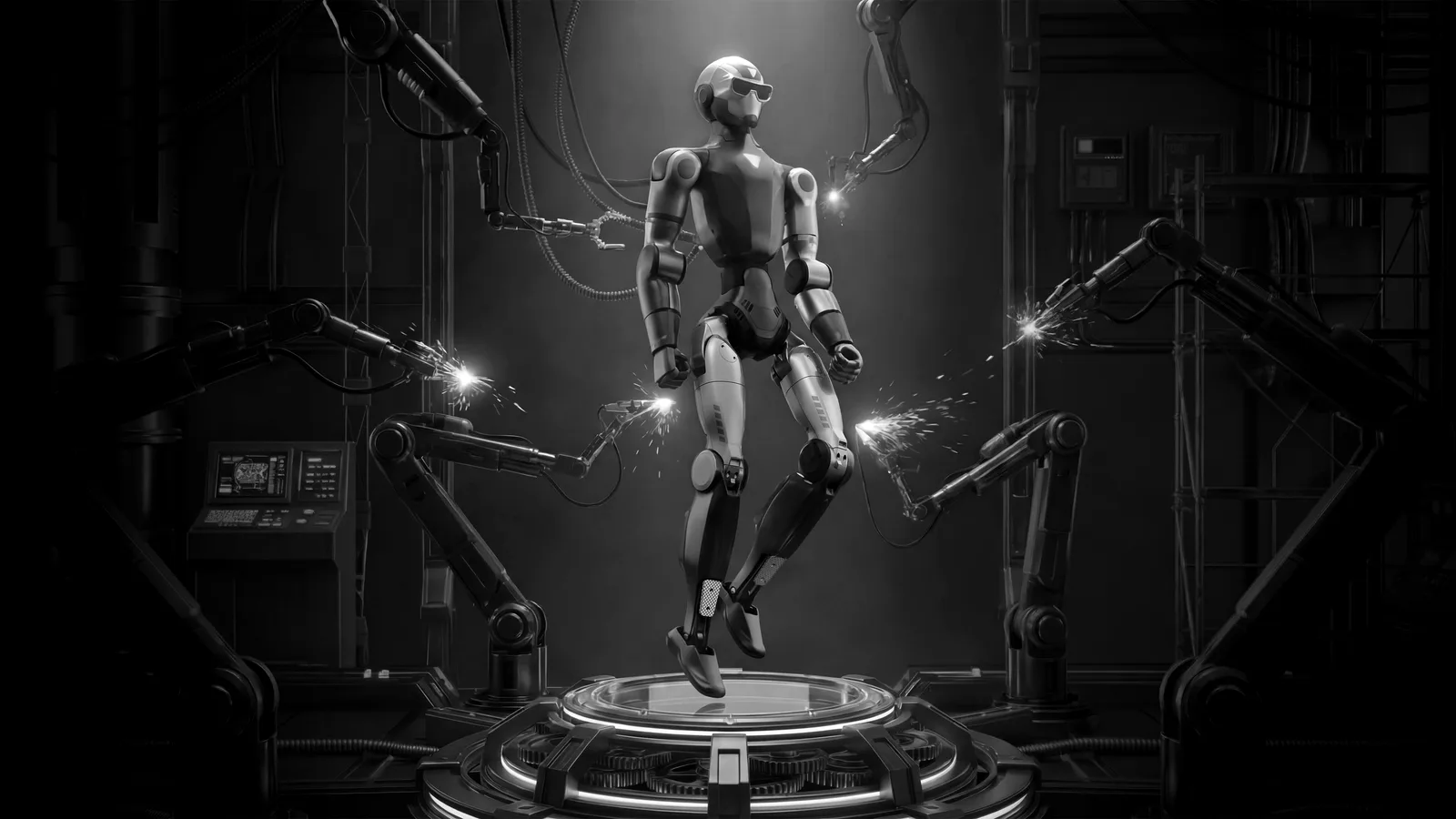
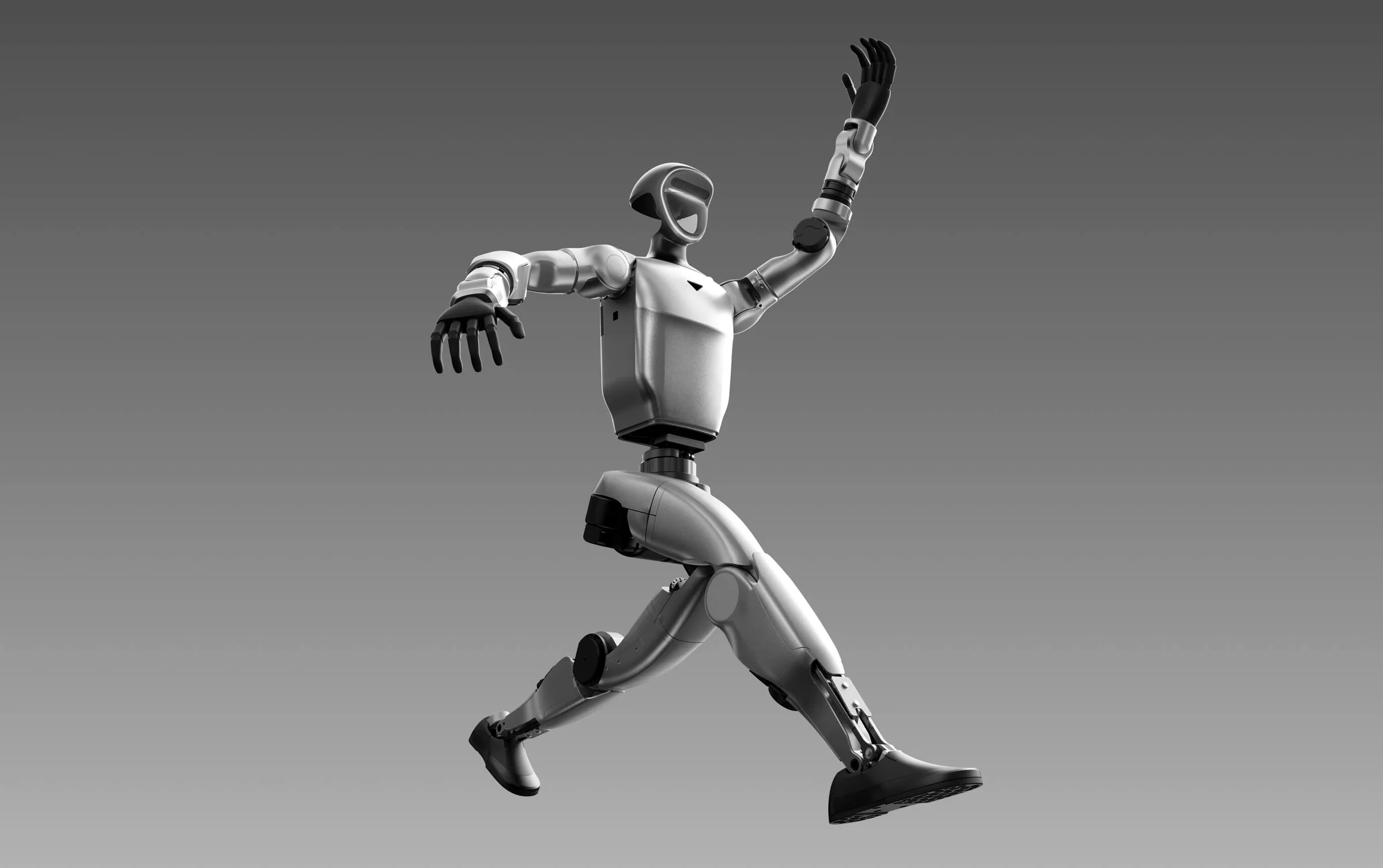
For move, sense and report tasks, four legs are usually the better answer. They are stable on gravel, slopes and stairs and do not need to balance upright. Humanoids make sense when the task involves hands, such as operating controls. We cover that trade-off in quadruped or humanoid: choosing the right robot for inspection.
What should you check before choosing?
Use this checklist before you decide between the two:
- Route: indoor, outdoor or both, and total distance per round
- Heaviest sensor package you plan to fit
- Shift length and where charging happens
- Heat, dust and water exposure on the route
- Connectivity on site and who receives the data
- Safety rules for people and vehicles on the route
- Which Go2 version applies, since AIR, PRO, X and EDU differ in speed, battery and sensors
A live demonstration answers most of these quickly. As we explain in why you should see a robot in person first, video makes every platform look capable, and your own space is the real test.
Frequently asked questions
Is the B2 just a bigger Go2?
It shares the quadruped layout, but it is a different class of machine. Unitree lists the B2 at about 60 kg with IP67 protection and 4 to 6 hours of battery life, against about 15 kg for the Go2.
Which Go2 version is best for inspection?
The versions differ in speed, battery and sensors. According to Unitree, the EDU version offers the long-endurance battery option and a depth camera, so it is the usual starting point for development work. Confirm the right version with us for your use case.
Can either robot work outdoors in the UAE?
The B2 is the one designed for outdoor industrial use, with an IP67 rating and a stated range of -20 to 55 °C. For the Go2, check the manufacturer's limits for your version and test on your route first.
Do you publish prices for the Go2 and B2?
No. Pricing depends on version, accessories and support, so please contact us for a quotation.
Can I see both robots before buying?
Yes. You can book a live demonstration at our DIFC showroom and walk through your inspection route with our team.
To see the Go2 and B2 side by side, book a live demo or contact us for a quotation at the DIFC showroom.
See it in person.
The fastest way to decide is to watch the robot do your actual job. Book a live demo in Dubai, or tell us what you have in mind.
Ready when you are
Build your robot in the shop.
Choose persona, attire, colours and accessories. Preview live in 3D, then request a UAE quotation, all in the configurator.