Robots for UAE schools and universities: STEM and research
How education robots fit UAE schools and universities: what suits STEM teaching, what suits research, and what to check before you buy.

Education robots in the UAE fall into two groups: low-cost kits for classroom STEM, and research-grade platforms such as humanoids and quadrupeds for universities and labs. Schools usually start with kits and coding tools, while universities buy programmable humanoids and legged robots for teaching and research. YS Lootah Robotics supplies the research-grade end of that range, with Unitree and AgiBot robots that you can see at our DIFC showroom.
Why are UAE schools and universities investing in robots now?
The policy direction is clear. Gulf News reports that AI becomes a core subject in UAE public schools from kindergarten to Grade 12, starting with the 2025-2026 academic year. The report links the move to the UAE's National Strategy for Artificial Intelligence 2031 and says young learners use stories, games and hands-on tools, including robotics kits.
That report describes AI teaching that focuses on ethics and critical thinking as well as coding. It does not describe robotics as a separate national subject, so schools have room to decide how physical robots support the lessons.
For universities the driver is different. Engineering, computer science and AI departments need hardware that students can program, test and break. This matches the wider national push into physical AI that we cover in Embodied AI and why the UAE is investing now.
What types of robots are used in education?
It helps to separate the tools by the level they serve rather than by brand.
| Level | Typical robot | What students do |
|---|---|---|
| Primary and middle school | Programmable kits, small wheeled robots | Block coding, sensors, basic logic |
| Secondary school | Modular kits, competition robots | Engineering design, team projects, robotics leagues |
| Undergraduate | Humanoids and quadrupeds with open development access | Control, perception, motion planning |
| Postgraduate and research labs | Full-size humanoids, multi-sensor platforms | Embodied AI, human-robot interaction, new algorithms |
Kits and competition platforms are sold by many education suppliers in the UAE. We do not supply them. Our focus is the last two rows, where the robot is itself the subject of study.
Which robots suit university teaching and research?
Three families are relevant for a lab. All details below come from our product pages.
Humanoids
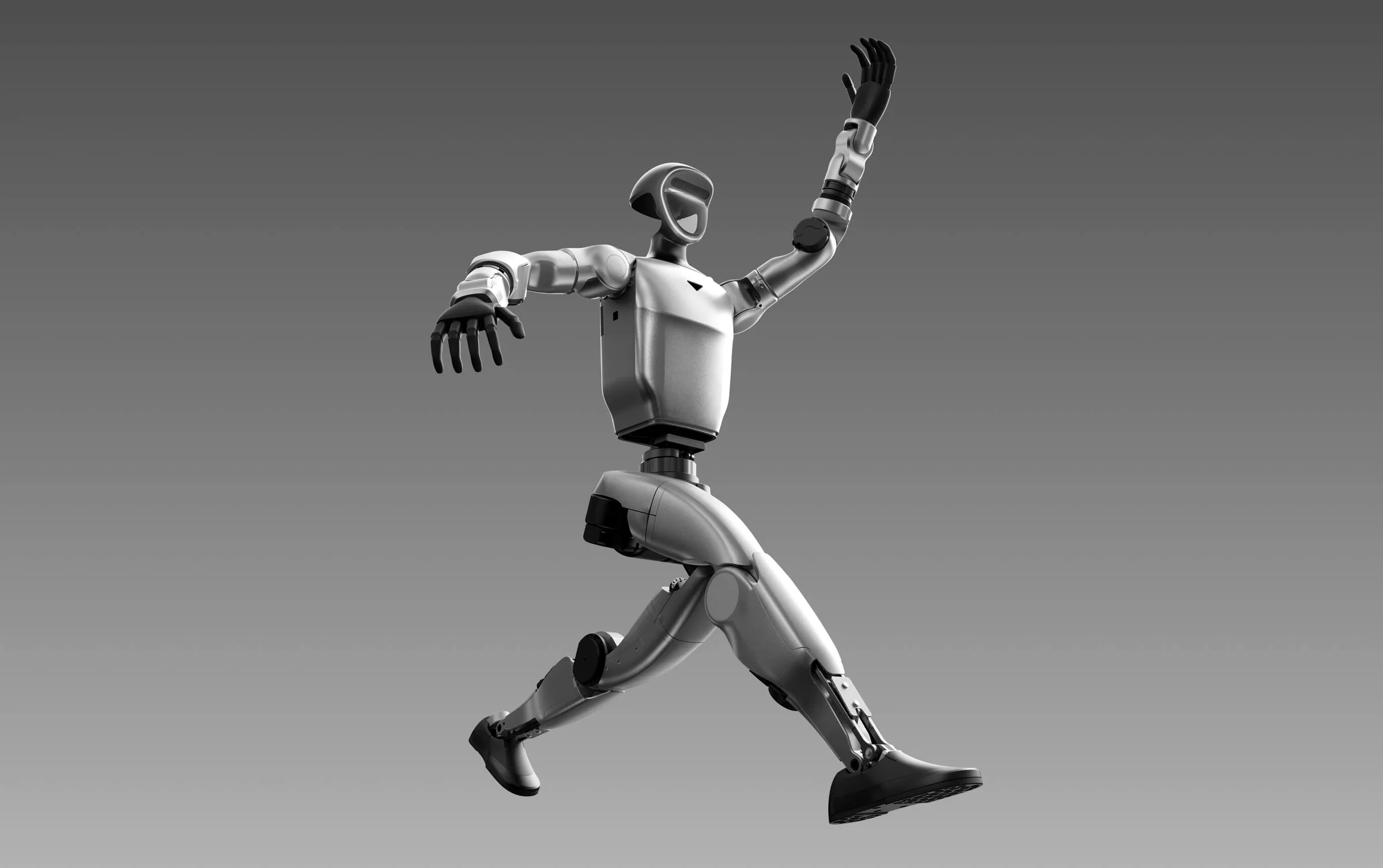
The Unitree G1 is a full-size humanoid for research, service and demonstration, standing 1.27 m tall with 23+ degrees of freedom. The Unitree R1 is lighter, at roughly 25 kg with 26 degrees of freedom, which makes it easier to move between a lab and a teaching room.
The AgiBot X2 is a bipedal humanoid with 120 Nm peak joint torque and 3D LiDAR plus RGB-D perception. It suits departments that want expressive, interactive behaviour. For a direct comparison, read Unitree G1 vs AgiBot X2: choosing a humanoid for a university lab.
Quadrupeds
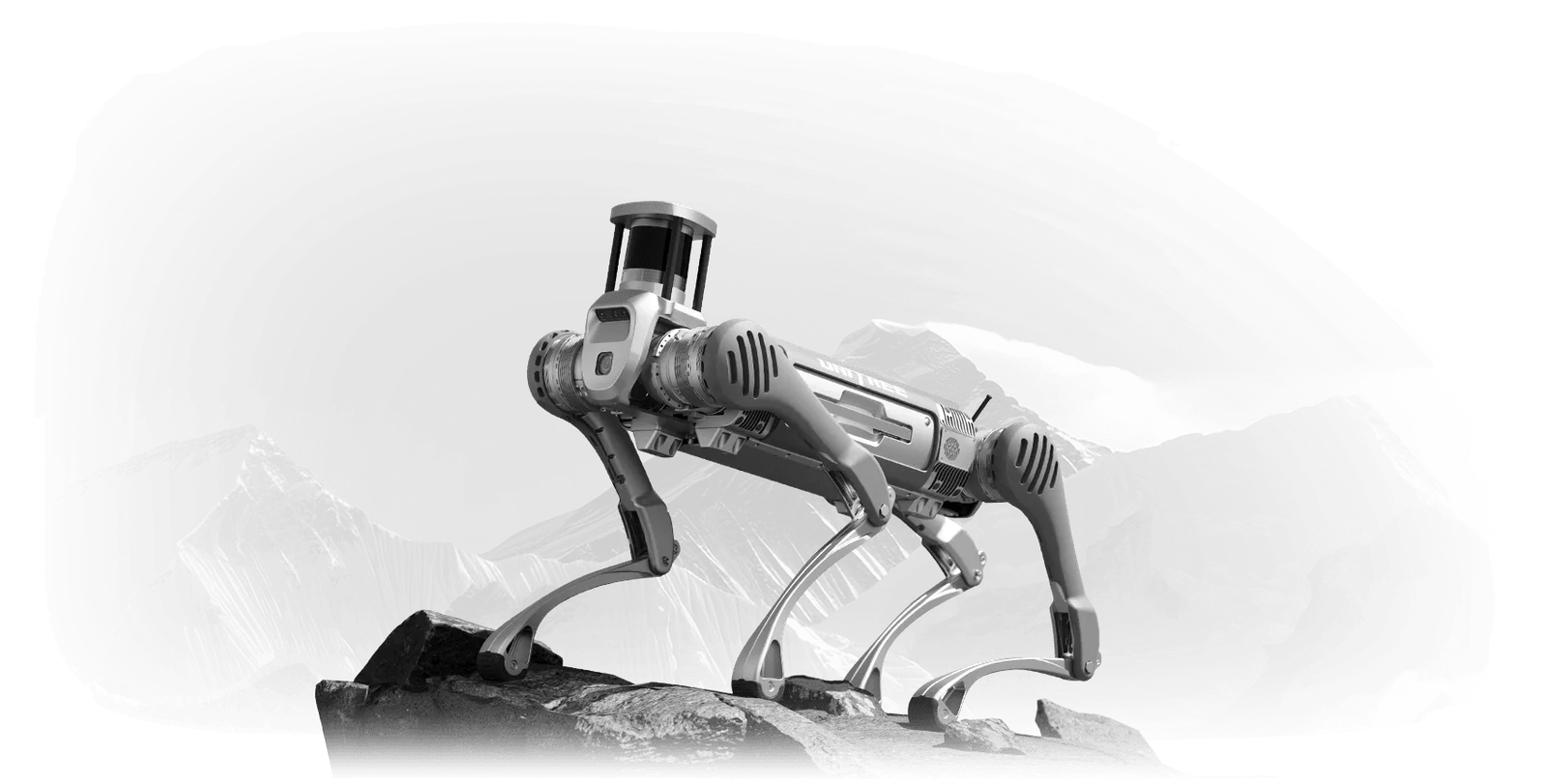
The Unitree Go2 / B2 family offers all-terrain legged platforms with 360° LiDAR and a top speed of up to 5 m/s. Quadrupeds are useful for navigation, mapping and field-robotics projects, and they are less intimidating to students than a full-size humanoid.
Service robots as case studies
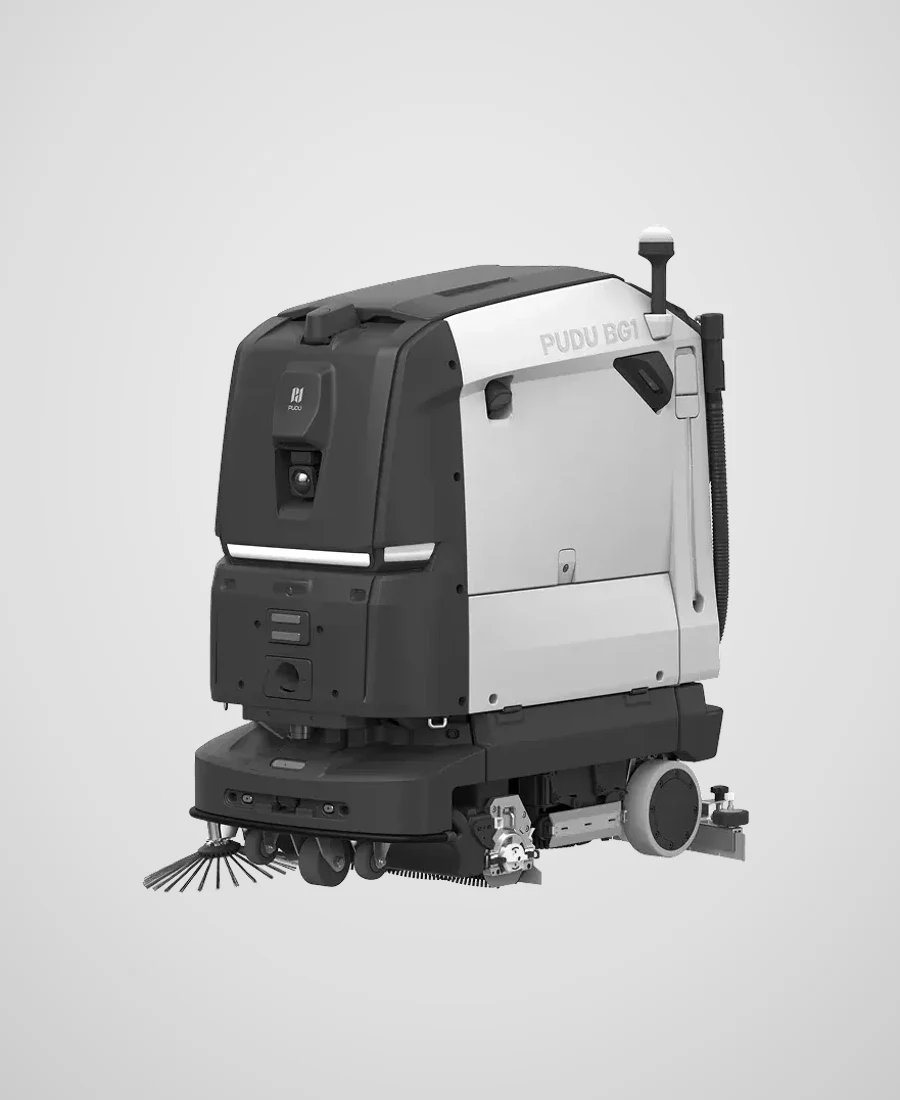
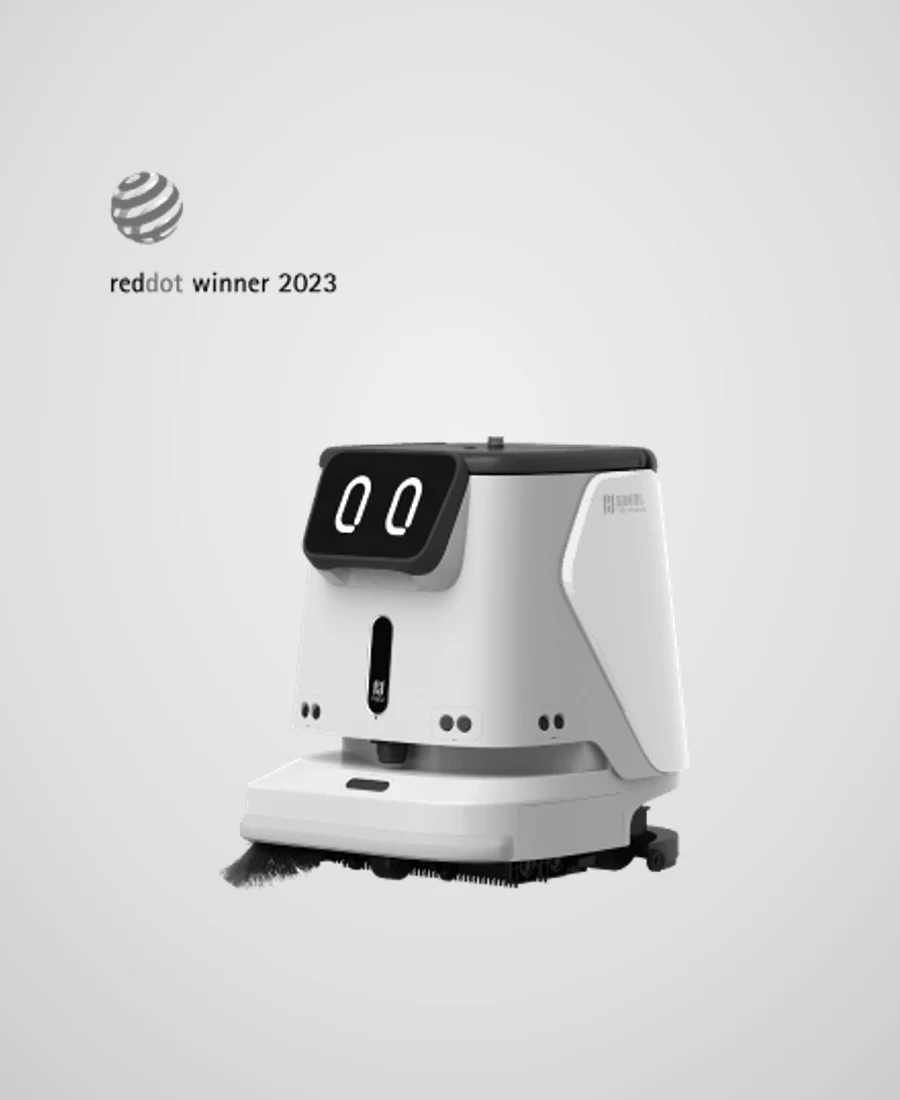
Universities with hospitality, facilities or business programmes can also use commercial robots from Pudu as live examples of deployment, workflow design and human-robot interaction. These are not teaching kits, but they show students how robots work in real venues.
How should a school or university choose?
Start from the learning outcome, not the robot. A short checklist keeps the decision grounded:
- Who will use it: first-year students, final-year projects or research staff?
- Does the course need access to the robot's software, or only to run demonstrations?
- Which tools do students already use for programming and simulation?
- Where will the robot be kept, charged and supervised?
- Who trains the teaching staff, and who supports the robot after delivery?
- How many students need hands-on time each week?
A single robot shared by 200 students gives little practice time. Plan a rota, a booking system and a small number of trained operators before the delivery date.
What should you check about safety and operation?
A humanoid in a shared building needs an operating procedure. Agree a clear area for testing, a named supervisor and rules for who can power the robot on. Legged robots can fall, so keep students outside the working zone during tests.
Also check practical points that affect daily use: charging arrangements, storage, network access on the campus and what the warranty and after-sales support cover. Our rollout playbook lists the steps from delivery to daily use, and most of them apply to a lab.
Why see the robot in person before you order?
Specification sheets and videos do not show how a robot moves in a real room, how loud it is, or how students react to it. A live session lets lecturers test their own use case and ask technical questions. We explain the reasoning in Why you should see a humanoid in person first.
Bring your intended course outline, your lab layout and a list of the software your students already use. That makes the demo specific to your programme.
What can schools do without a research humanoid?
Most schools do not need one. The national AI curriculum is built around practical projects, ethics and problem solving, and these can be taught with kits and software. A school may still use a demonstration robot for open days, STEM weeks or club activities, to give students a close look at what the technology can do.
For a school group, a showroom visit can serve as a field trip. Contact us to discuss whether a visit suits your students.
Frequently asked questions
What are the best education robots in the UAE?
There is no single best robot. Kits suit schools, while humanoids and quadrupeds such as the Unitree G1, Unitree Go2 and AgiBot X2 suit university teaching and research.
Is robotics part of the UAE school curriculum?
AI is a core subject in UAE public schools from kindergarten to Grade 12, according to Gulf News. The report mentions robotics kits as teaching tools but does not describe robotics as a separate subject.
Which humanoid is better for a university lab?
It depends on the use. The G1 and R1 suit research and development work, and the X2 suits expressive, interactive roles. We compare them in more detail in our G1 and X2 guide.
Can I see the robots before buying?
Yes. You can see robots at our showroom in DIFC, Dubai, by booking a live demo. We also provide training and after-sales support.
Do you publish prices for education robots?
No. Configuration and quantity vary by project, so please contact us for a quotation.
To see these robots working, book a live demo at our DIFC showroom, or contact us for a quotation for your school or university.
See it in person.
The fastest way to decide is to watch the robot do your actual job. Book a live demo in Dubai, or tell us what you have in mind.
Ready when you are
Build your robot in the shop.
Choose persona, attire, colours and accessories. Preview live in 3D, then request a UAE quotation, all in the configurator.