Do robots work in UAE heat? Indoor and outdoor deployment
Do robots work in UAE heat? Indoor robots run well in air-conditioned venues; outdoor work needs a rated platform and a summer duty plan.
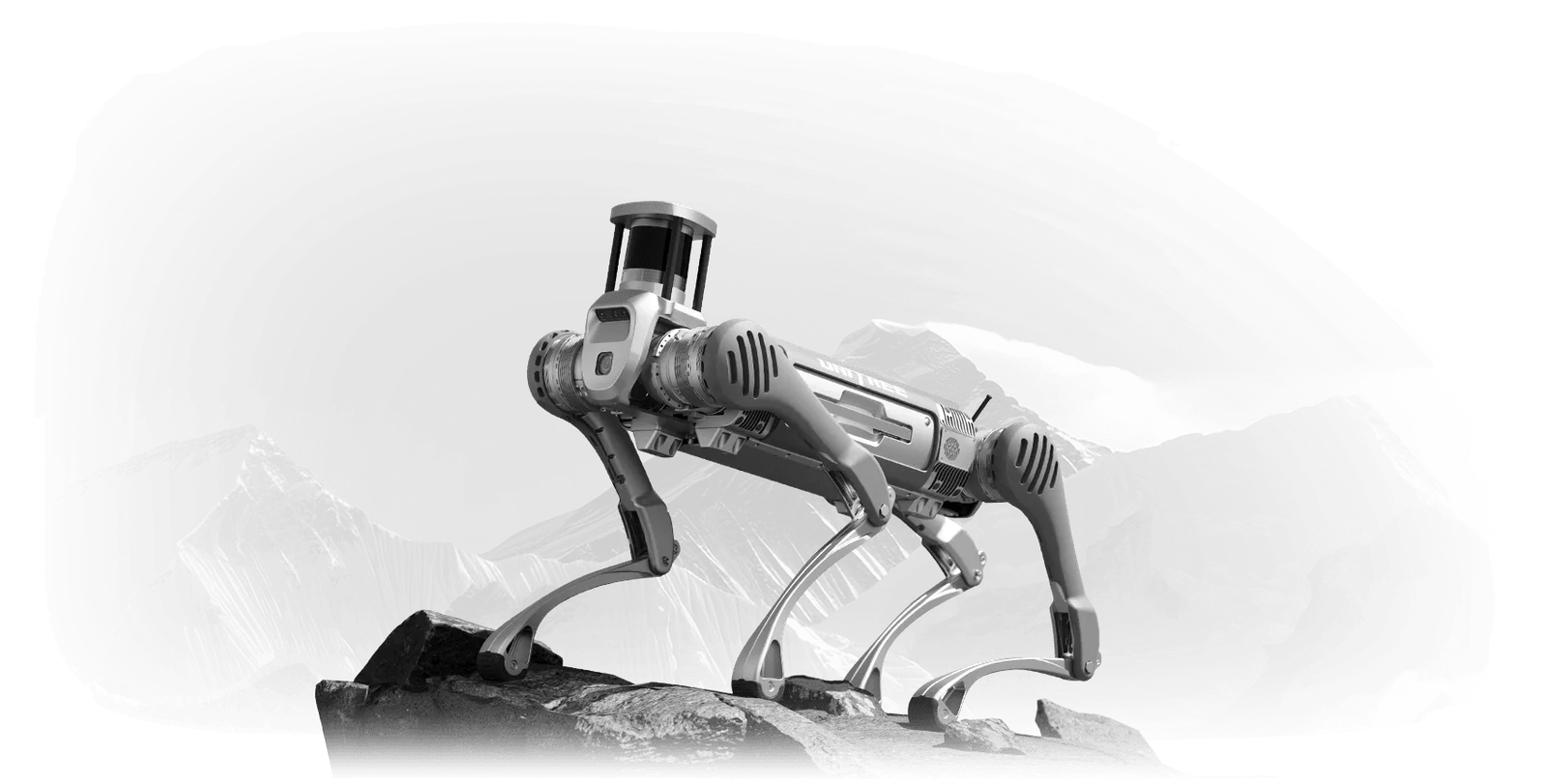
Yes, robots work in the UAE, but where they work matters. Indoor service and cleaning robots operate in air-conditioned venues where heat is not the main issue. Outdoor deployment in summer is possible only with a platform rated for the temperature, dust and water exposure, and with a plan that reduces load in the hottest hours.
Is the heat really a problem for robots?
For outdoor work, yes. A robot carries batteries, motors and processors, and all of them produce heat of their own. Add direct sun and high ambient temperature and the margin for cooling shrinks.
An engineering blog on security robots in the Gulf makes a useful point: separate the temperature a robot can survive from the temperature it can sustain while working. It also notes that lithium batteries prefer a moderate temperature range and age faster when kept hot. This is general background, not a specification for any one robot.
Indoors the picture is different. Malls, hotels and hospitals are cooled for people, so a delivery or cleaning robot sees conditions close to those of a normal office.
Why does the UAE midday work break matter?
The UAE already treats peak-sun outdoor work as a safety issue for people. The Ministry of Human Resources and Emiratisation runs an annual midday work break which bans outdoor work in direct sunlight from 12:30 to 3:00 pm between 15 June and 15 September. Gulf News reported the 22nd year of the rule in 2026.
That is a reason some operators look at robots for repetitive outdoor tasks such as patrol or inspection. It is not a reason to deploy one that is not built for the conditions. A robot that overheats at 2 pm is no more useful than a worker who has to stop.
Which robots suit indoor deployment?
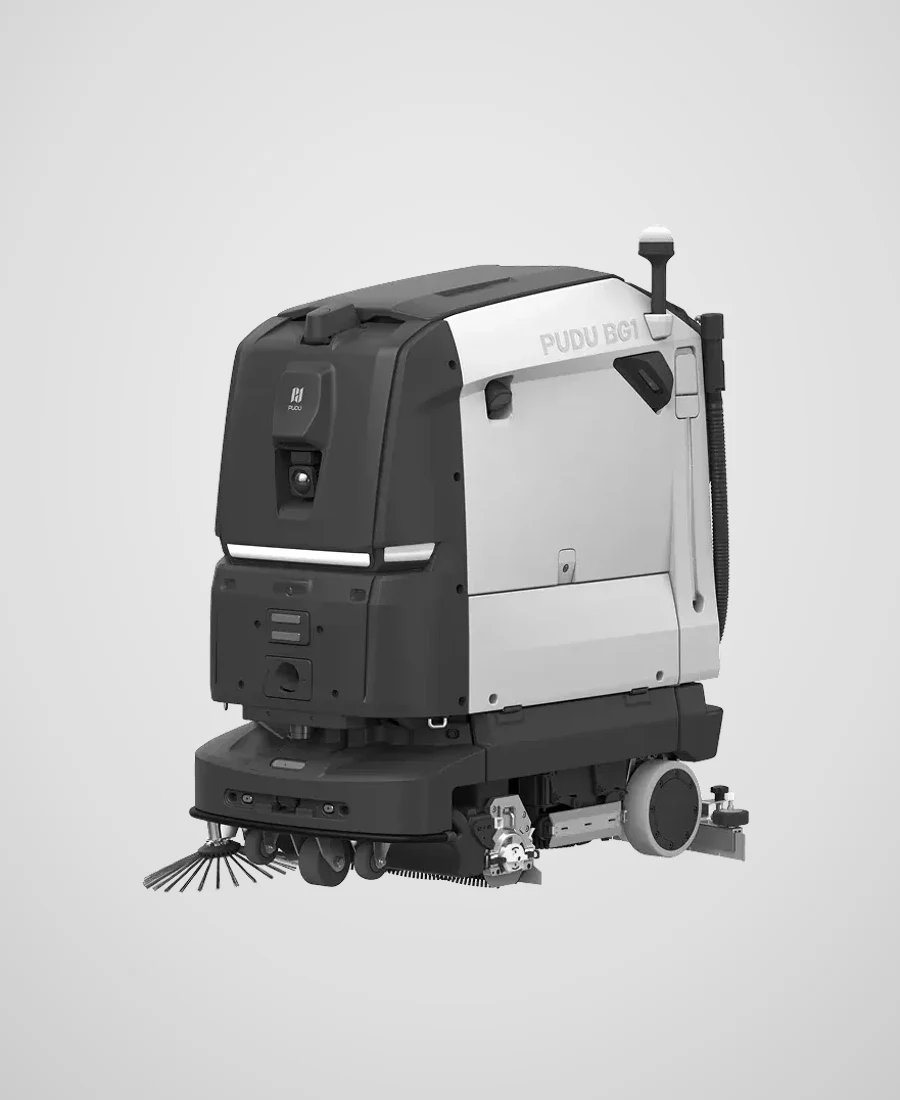
Most of the Pudu range is built for venues such as hotels, malls, restaurants and hospitals. In those spaces the robot works inside the building's cooled envelope.
- Cleaning: floor scrubbers and sweepers such as the Pudu CC1 and Pudu MT1 work corridors, atriums and back-of-house areas. See our guide to cleaning robots for UAE malls.
- Delivery: BellaBot, HolaBot and FlashBot carry food, dishes and items between kitchens, rooms and tables.
- Reception and guiding: KettyBot and SwiftBot work front of house.
The heat question for indoor robots is not the weather. It is the transition points: a loading dock, an open-air arcade, a car park ramp or a covered walkway. Map these before a pilot, because a route that quietly passes through a hot, dusty zone changes the risk.
Which robots suit outdoor deployment?
Outdoor work in the UAE means sun, dust, sand and sometimes rain or washdown. The platform to look at first is the Unitree quadruped family, Unitree Go2 and B2. According to our site facts they are all-terrain, with a top speed of up to 5 m/s and 360° LiDAR sensing.
Our Go2 vs B2 comparison states that the B2 is the one designed for outdoor industrial use, with an IP67 rating and a stated range of -20 to 55 °C. For site inspection that is the stronger starting point. Confirm the figures for your exact configuration in writing before you commit.
For wider context on patrol work, read security patrol robots in Dubai: what is realistic today.
What about humanoids outdoors?
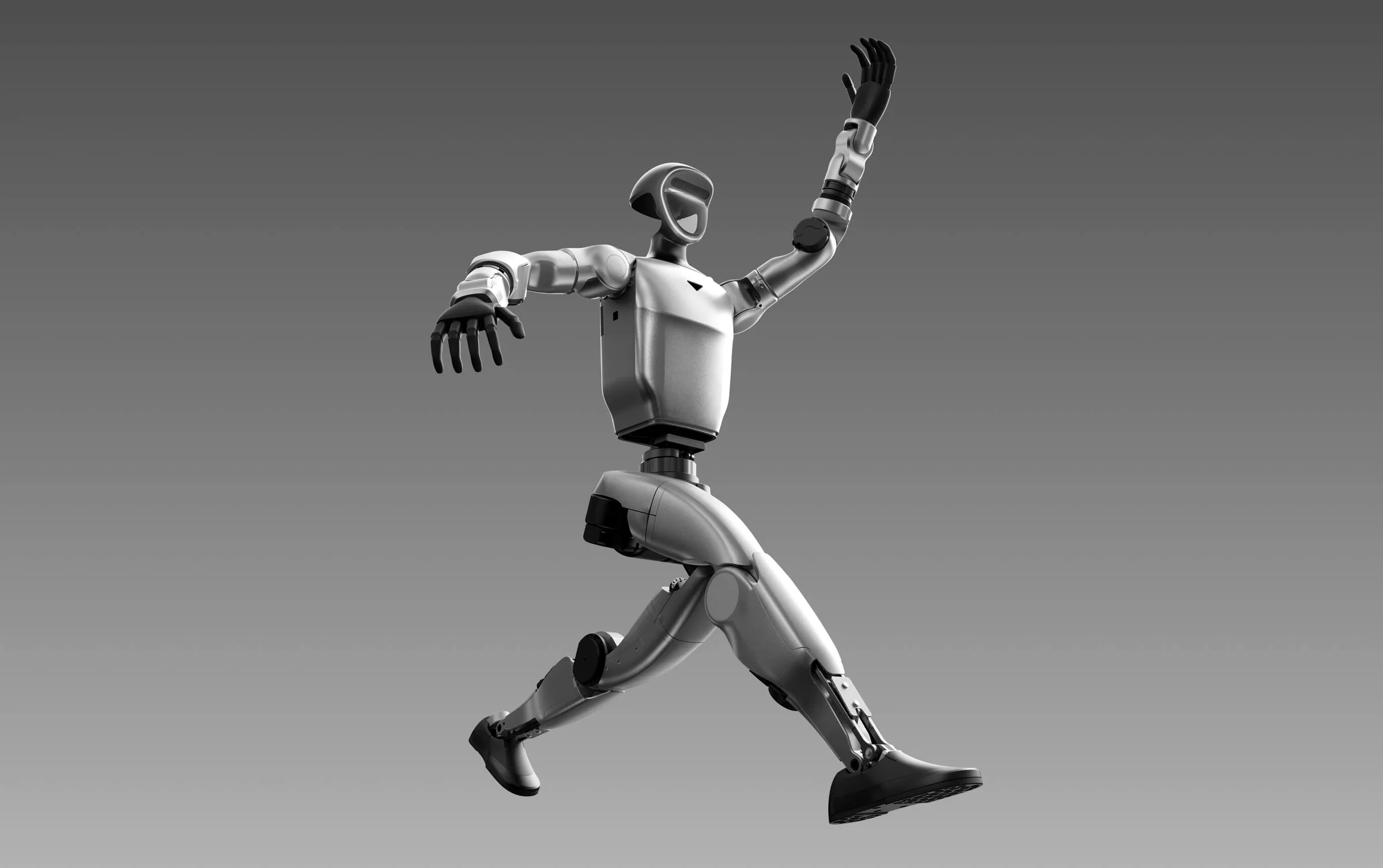
Humanoids such as the Unitree G1 and AgiBot X2 are best treated as indoor and lab platforms today. They suit demonstration, research, reception and teaching. We do not recommend planning outdoor summer work around them.
How do indoor and outdoor deployment compare?
| Factor | Indoor (cooled venue) | Outdoor (UAE summer) |
|---|---|---|
| Main heat risk | Transition zones, loading areas | Ambient temperature plus direct sun |
| Dust and sand | Low to moderate | High |
| Battery stress | Normal | High; needs scheduling and cooling time |
| Typical robots | Pudu cleaning, delivery, service | Rugged quadrupeds such as the Unitree B2 |
| What to confirm | Route, lifts, Wi-Fi, floor type | Temperature range, ingress rating, shade and charging |
What should you check before an outdoor pilot?
Use this checklist when you plan a heat-exposed deployment:
- The manufacturer's stated operating temperature range, in writing, for the exact model.
- The ingress protection rating for dust and water.
- Where the robot charges, and whether that spot is shaded and ventilated.
- Which hours it will work. Schedule missions for early morning and evening rather than the hottest part of the day.
- What the robot does when it detects a high temperature: slow down, stop or return to dock.
- Surface conditions. Paving in direct sun is much hotter than the air above it.
- Who responds if it stops on site, and how quickly.
The approach in our robot rollout playbook applies here: start with one route, measure it for a few weeks, then extend.
Does summer change how you plan the year?
Yes. Many operators run outdoor tasks at full schedule from October to April and a reduced, early-and-late schedule in the summer months. Indoor robots keep their normal schedule all year, which is one reason indoor cleaning and delivery are the most common first deployments in the UAE.
A sensible plan is to deploy indoors first, build the habit of daily robot operations, and add an outdoor inspection use case once you have a site-specific heat plan.
Frequently asked questions
Can robots work outside in Dubai in summer?
Some can, if the platform is rated for the temperature and dust, such as the Unitree B2 with its stated -20 to 55 °C range. Even then, plan missions outside the hottest hours and confirm ratings in writing.
Are Pudu robots affected by UAE heat?
Pudu robots are designed for venues such as hotels, malls and restaurants, where air conditioning keeps conditions stable. Check any route that leaves the cooled building before you deploy.
Does the midday work break apply to robots?
The rule covers people working outdoors in direct sunlight between 12:30 and 3:00 pm from 15 June to 15 September. It does not regulate robots, but your own heat plan should still limit robot use in the same window.
Can a humanoid robot work outdoors in the UAE?
We recommend treating humanoids as indoor, lab and front-of-house platforms. Outdoor inspection is better suited to a quadruped.
How do I know if a robot is rated for my site?
Ask for the operating temperature range and the ingress protection rating for the specific model, then test it on your own route during a pilot.
To see how these robots behave in your conditions, book a live demo or contact us for a quotation at our DIFC showroom.
See it in person.
The fastest way to decide is to watch the robot do your actual job. Book a live demo in Dubai, or tell us what you have in mind.

Ready when you are
Build your robot in the shop.
Choose persona, attire, colours and accessories. Preview live in 3D, then request a UAE quotation, all in the configurator.